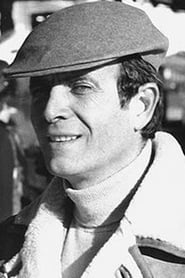
Gen. Hugo Rodriguez
José Bódalo
Nataniele (Bartender)
Ángel Álvarez
Major Jackson
Eduardo Fajardo
(accreditato come Jimmy Douglas) : Jonathan
Gino Pernice
un uomo della banda di Jackson
Giovanni Ivan Scratuglia
un uomo della banda di Jackson
Luciano Rossi
L' uomo con la frusta
Lucio De Santis
Screenplay
Sergio Corbucci
Screenplay
Bruno Corbucci
Screenplay
Franco Rossetti
Original Music Composer
Luis Bacalov
Director of Photography
Enzo Barboni
Producer
Manolo Bolognini
Production Design
Carlo Simi
Supervising Producer
Bruno Frascà
Costume Design
Carlo Simi
Assistant Director
Ruggero Deodato
Screenplay
Piero Vivarelli
Screenplay
Fernando Di Leo
Screenplay
José Gutiérrez Maesso
Screenplay
Geoffrey Copleston
Set Decoration
Francisco Canet
Makeup Artist
Grazia De Rossi
Makeup Artist
Giulio Natalucci
Key Makeup Artist
Mario Van Riel
Sound Recordist
Bernardino Fronzetti
John Chard
Django, you drag your coffin around, coffin around, coffin around.
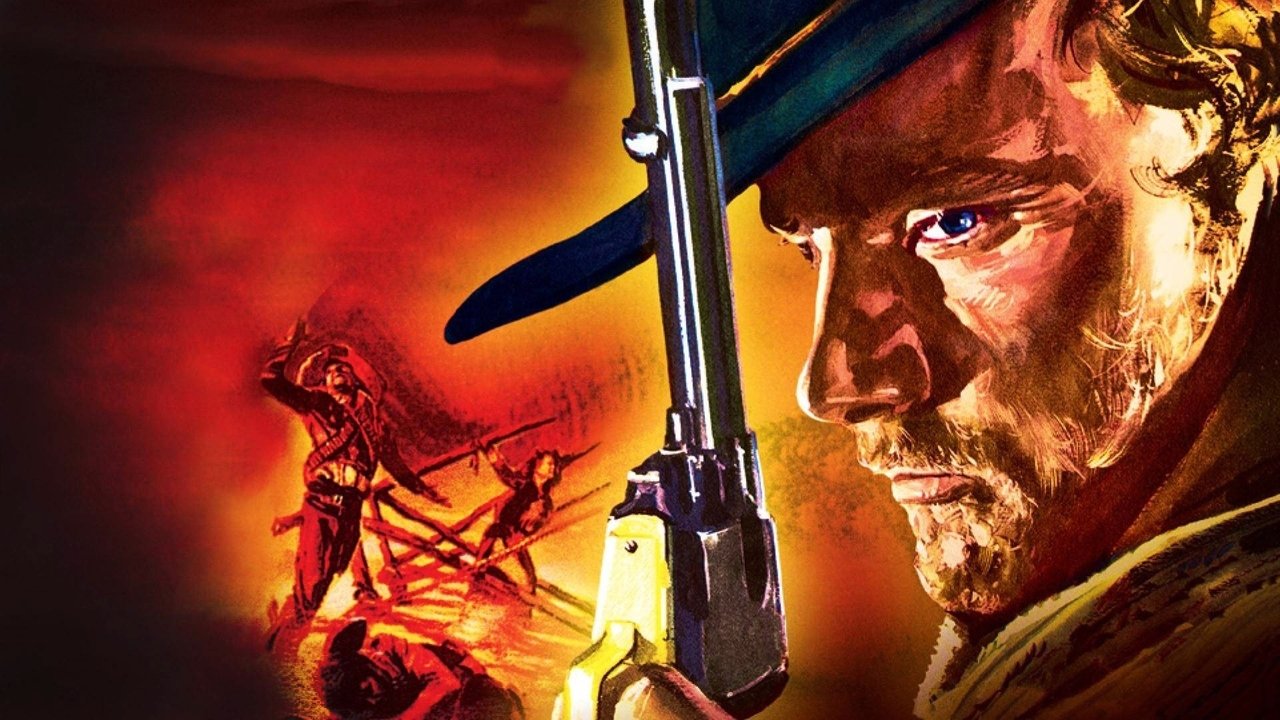
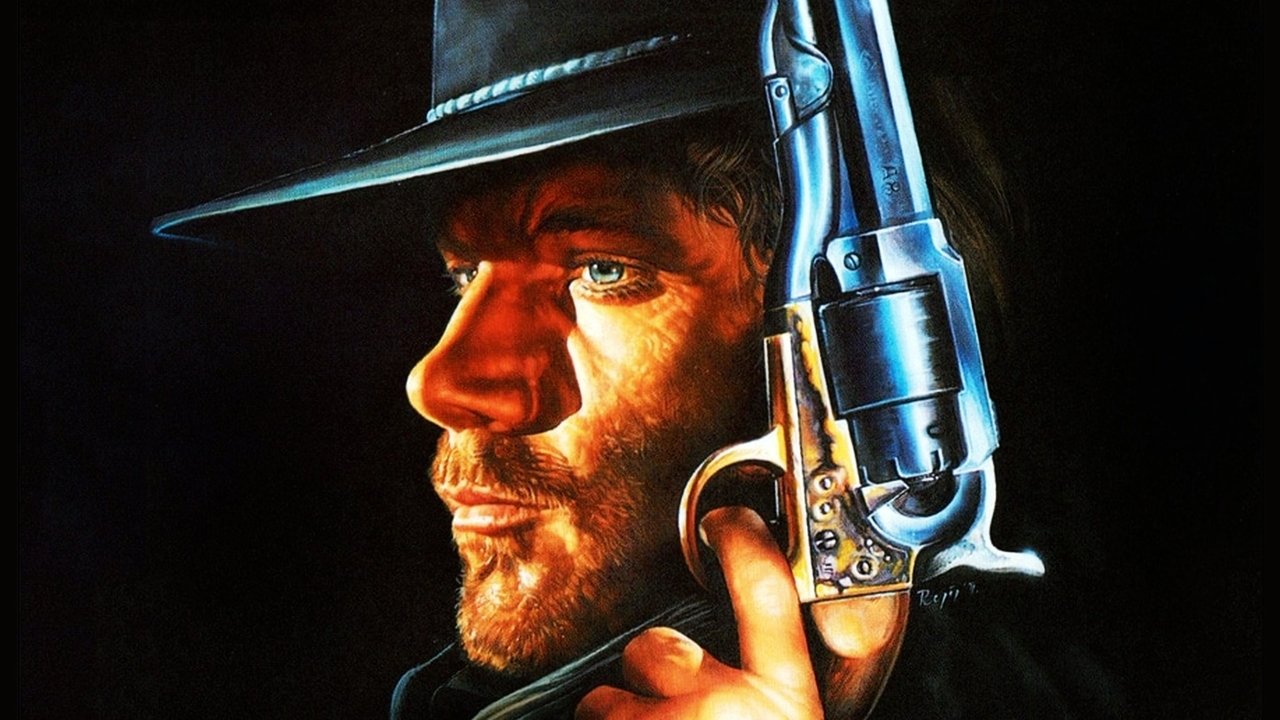
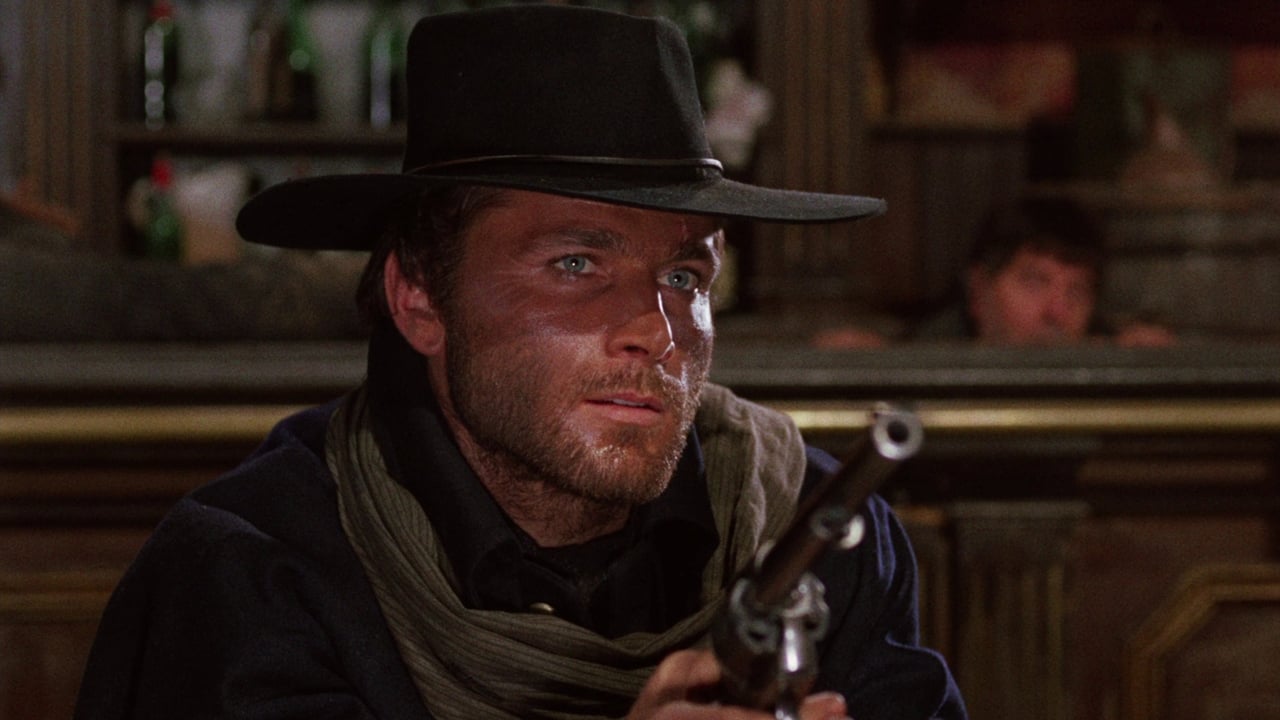
Django is directed by Sergio Corbucci and it stars Franco Nero, José Bódalo, Loredana Nusciak, Ángel Álvarez and Eduardo Fajardo.
Django (Nero), dragging a coffin behind him, saves a woman from some bandits and soon finds himself in the middle of war between two factions - which he may be able to use to his advantage.
1966 was a stellar year for Spaghetti Westerns, Leone was putting the crown on his "Dollars" trilogy, Damiani produced a political firecracker and Sollima crafted one of the finest "manhunt" Oaters of this sub-genre. Then there is this, Django, a Pasta Western that is synonymous with the form.
I fought for the North!
Django is a treat, it's violent and cruel, funny and cheeky, and pleasing on the eyes and ears - so pretty much it contains all the best things that made the original wave of Spaghetti's so palatable. Undeniably it owes a "lot" to A Fistful of Dollars and Yojimbo, but it's still its own beast, a baroque Gothic piece of work that positively revels in nihilism. The graphic violence is wonderfully cartoonish, the iconography unbound, and in Nero - eyes likes chips of ice - the pic has one of the coolest and baddest men on the planet. Nusciak brings the sex and sizzle, coming off like a Spag Raquel Welch, whilst the villains are delightfully vile and scuzzy.
The setting is superb, a muddy cold hell of a town with a brothel as the fulcrum of the piece. Naturally there's a cemetery, which will play host to some of that iconography mentioned earlier. Religion gets short shrift, racial prejudice given a caustic once over, while it's worth mentioning there's more than a hint of social realism pulsing away as Corbucci brings the blood and thunder. OK! It's light in plotting, and it's not even Corbucci's best film, but the stylised violence, the visuals and a cracking soundtrack easily take you away from the fodder of the story.
It would spawn a multitude of rip-offs, name checks and influence a whole host of film makers, but this is the real deal. A Spag Western worth revisiting to see just when it was a sub-genre of quality, this before hundreds of poor band wagon jumpers began to soil the Spaghetti Western name. 8.5/10
Wuchak
***Cult Spaghetti Western with Django dragging his coffin***
A mysterious stranger dragging a coffin (Franco Nero) saves a prostitute named Maria (Loredana Nusciak) and waltzes into a neutral border down that services both a private militia of ex-Rebels led by Major Jackson (Eduardo Fajardo) and a small army of Mexican revolutionaries, led by General Hugo (José Bódalo). Meanwhile there’s gold to be had.
Released in 1966, “Django” (pronounced JANG-oh) is a cult Euro Western highlighted by its star and the typical cartoonish flourishes of the genre. Franco Nero and his Spaghetti Western lookalike, Terence Hill, represented the Euro-version of Clint Eastwood. To be expected, the characters are cardboard caricatures and there’s a lot of brutal violence that’s so sadistic and overdone it’s comical. Fifteen men are dead by the 20 minute mark with 40 more shortly later in a machine gun bloodbath. A mere half hour later there’s a second machine gun assault lacking any artistic finesse whatsoever. It has to be seen to be believed and bespeaks of moviemaking for 13 year-olds.
Considering what’s in Django’s coffin, the way he drags it around isn’t practical for more than 100 yards. The manner he awkwardly slogs it about is especially incredulous during the gold theft sequence where, curiously, no one sees or hears him. Why Sure!
When do these events take place? The death date on Mercedes Zaro’s tombstone says 1889, but Django’s wearing spiffy Union trousers and the ex-Reb soldier’s suggest that it’s only a year or two after the Civil War. Yet the standard lever-action rifles imply around 1880 and Django’s quasi-Maxim machine gun points to no earlier than 1884. Nonsensical chronology like this indicates sloppy writing.
Tarantino took elements of “Django” and other Spag Westerns to forge the outstanding “Django Unchained” (2012), which makes “Django” & most Euro Westerns of the 60s and early 70s pale by comparison. The title song by Luis Bacalov is good though and Nusciak is striking in an icy way.
The film runs 1 hour, 31 minutes (with censored versions running 3-4 minutes less) and was shot in Madrid, Spain, and Lazio, Italy.
GRADE: C

Léon: The Professional
Głosów 8538 (8,3/10)
Data wydania 14.09.1994
Szczegóły »

Crank
Głosów 2091 (6,6/10)
Data wydania 31.08.2006
Szczegóły »

The Mechanic
Głosów 1836 (6,4/10)
Data wydania 13.01.2011
Szczegóły »

The Gunman
Głosów 622 (5,7/10)
Data wydania 16.02.2015
Szczegóły »

Triple Threat
Głosów 140 (5,6/10)
Data wydania 19.03.2019
Szczegóły »

Mr. & Mrs. Smith
Głosów 6236 (6,6/10)
Data wydania 07.06.2005
Szczegóły »

The Good, the Bad and the Ugly
Głosów 4511 (8,4/10)
Data wydania 23.12.1966
Szczegóły »

The Hitman's Bodyguard
Głosów 3401 (6,8/10)
Data wydania 16.08.2017
Szczegóły »

The Equalizer
Głosów 5405 (7,2/10)
Data wydania 24.09.2014
Szczegóły »

The Man with the Golden Gun
Głosów 982 (6,4/10)
Data wydania 01.12.1974
Szczegóły »

Mad Max Beyond Thunderdome
Głosów 1466 (6,1/10)
Data wydania 29.06.1985
Szczegóły »

Mad Max
Głosów 2323 (6,7/10)
Data wydania 12.04.1979
Szczegóły »

Mad Max 2
Głosów 1871 (7,4/10)
Data wydania 24.12.1981
Szczegóły »

Hitman
Głosów 1842 (5,9/10)
Data wydania 21.11.2007
Szczegóły »

Polar
Głosów 1050 (6,3/10)
Data wydania 25.01.2019
Szczegóły »

Collateral
Głosów 2847 (7,1/10)
Data wydania 04.08.2004
Szczegóły »

Monty Python and the Holy Grail
Głosów 3347 (7,8/10)
Data wydania 25.05.1975
Szczegóły »

The Texas Chain Saw Massacre
Głosów 1402 (7,3/10)
Data wydania 01.10.1974
Szczegóły »

Hitman: Agent 47
Głosów 1865 (5,6/10)
Data wydania 20.08.2015
Szczegóły »

The Day of the Jackal
Głosów 255 (7,7/10)
Data wydania 15.05.1973
Szczegóły »