Ivan Bondarev
Nikolay Burlyaev
Captain Kholin
Valentin Zubkov
Lieutnant Colonel Gryaznov
Nikolay Grinko
Lieutnant Galtsev
Yevgeni Zharikov
Masha
Valentina Malyavina
Corporal Katasonov
Stepan Krylov
Old Man
Dmitri Milyutenko
Soldier with glasses
Andrei Konchalovsky
Director
Andrei Tarkovsky
Music
Vyacheslav Ovchinnikov
Director of Photography
Vadim Yusov
Editor
Lyudmila Feiginova
Screenplay
Andrei Konchalovsky
Writer
Vladimir Bogomolov
Production Design
Evgeniy Chernyaev
Makeup Artist
Lyudmila Baskakova
Special Effects
Sergei Mukhin
CRCulver
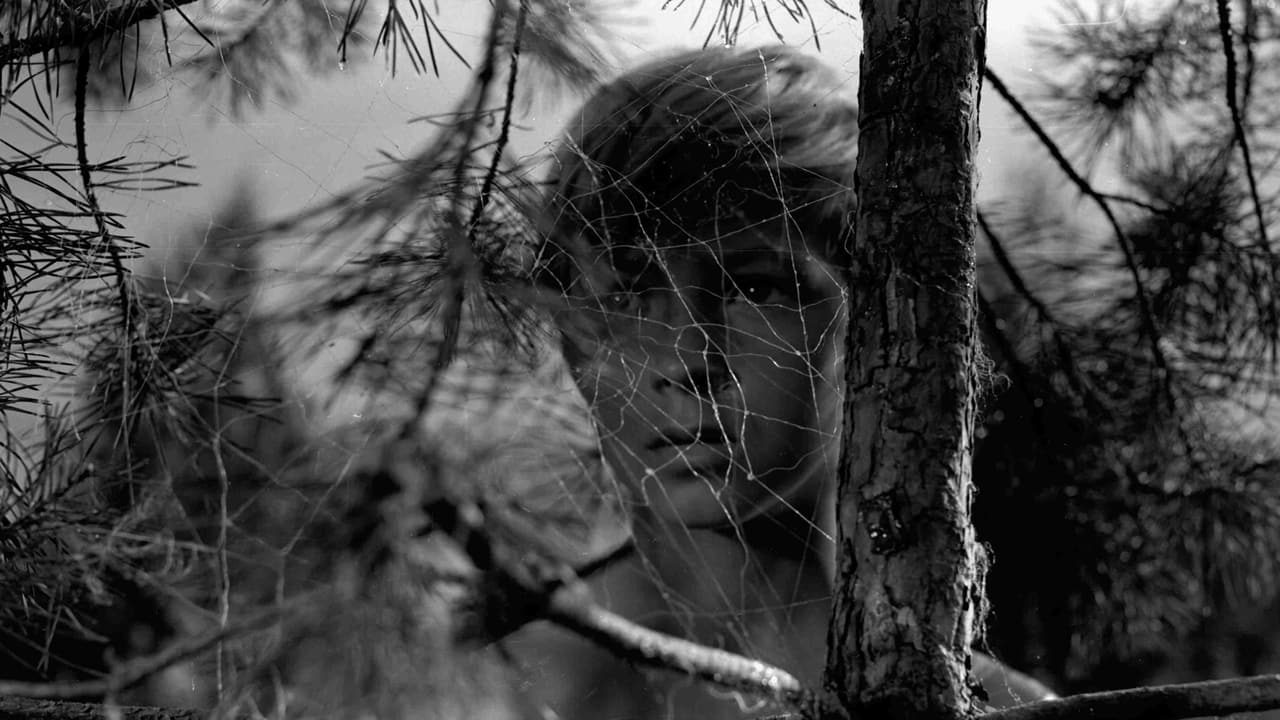
<i>Ivan’s Childhood</i>, released in 1962, was Soviet director's Andrei Tarkovsky first feature film. An adaptation of a short story by Vladimir Bogomolov set in World War II, its protagonist is a 12-year-old orphan (Nikolai Burlyaev) on the Eastern Front whose small size allows him to scout German positions undetected. Ivan's missions have been useful to the army, but officers Lt. Col. Gryaznov (Nikolai Grinko), Capt. Kholin (Valentin Zubkov) and Lt. Galtsev (Evgeny Zharikov) would like very much to send him to a military academy to get him away from the front, especially as the final offensive against the Germans is imminent.
The action in the film plays out between two of Ivan's ventures across the river Dniepr into German-held territory. It depicts the difficult life of the soldiers at the front and the destruction that war brought to the Soviet village whose damaged buildings now host the army. Ivan's back story is revealed elliptically through comments among the soldiers, dream sequences or flashbacks. A subplot involves Kholin's disturbing attempts to seduce Nurse Masha (Valentina Malyavina) and, in stark contrast to earlier Soviet treatments of the war, suggest that in wartime one's own fellow soldiers can just as dangerous as the enemy.
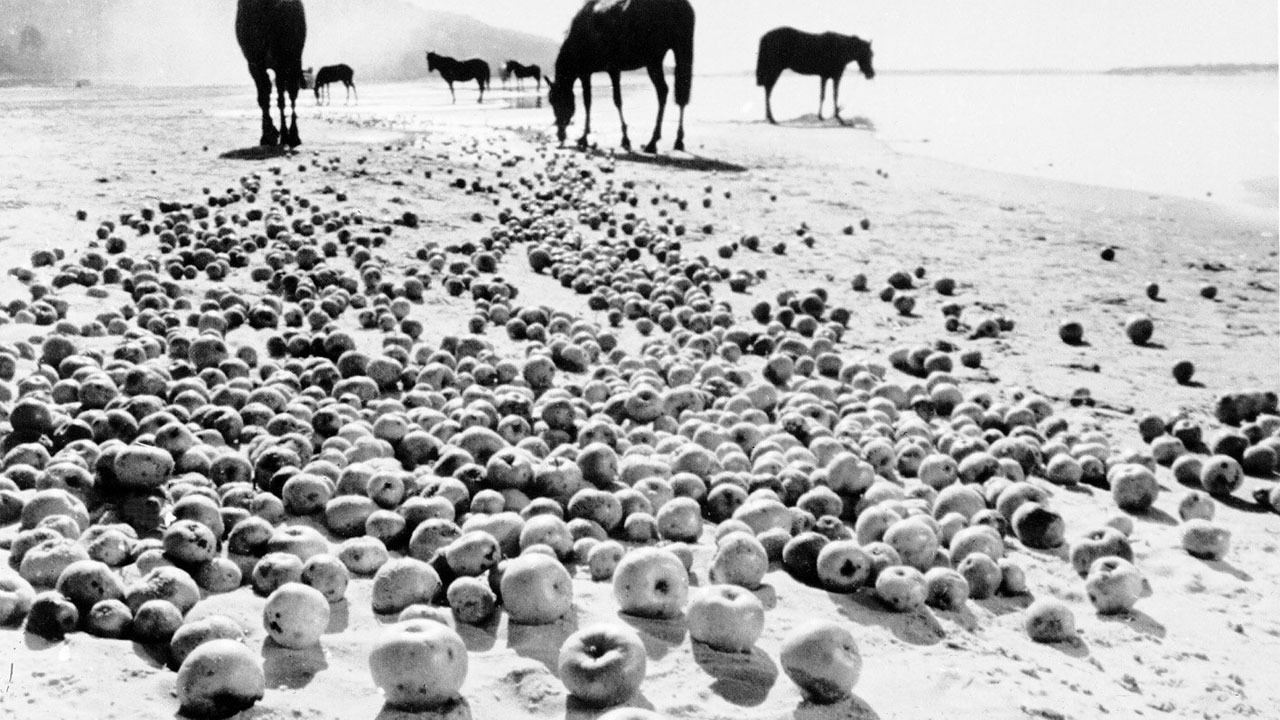
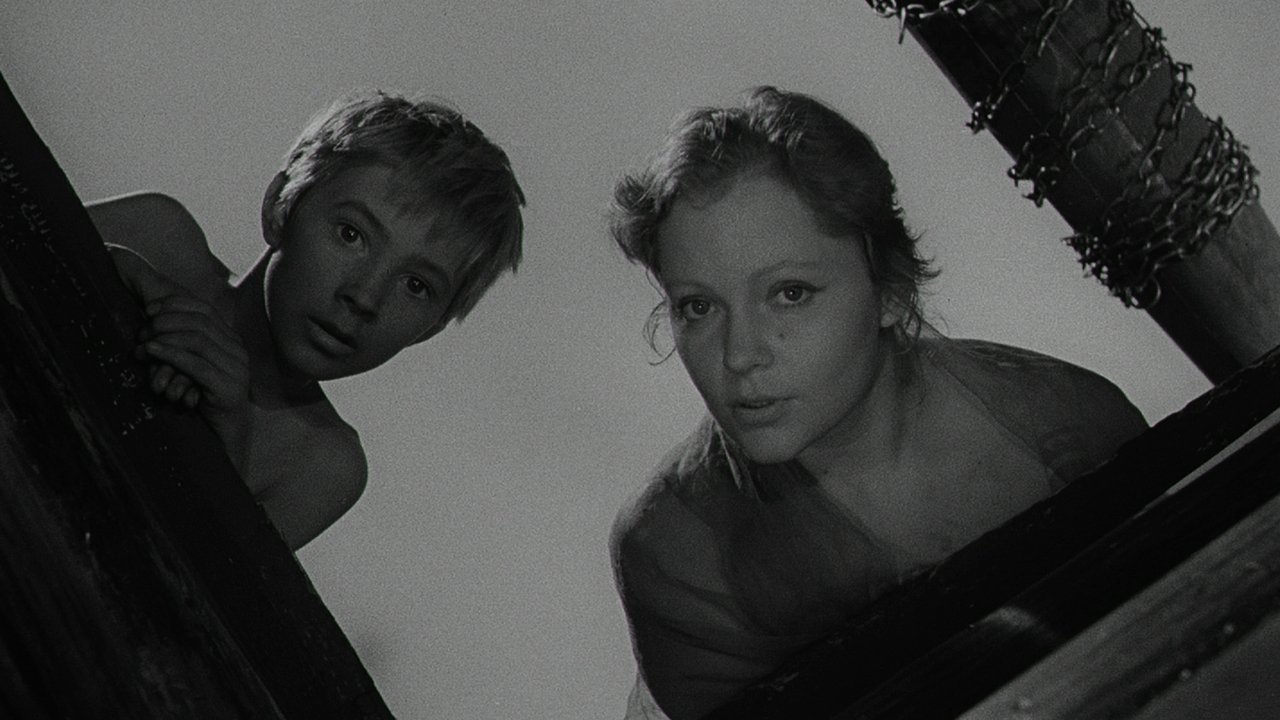
As far as Tarkovsky films go, <i>Ivan’s Childhood</i> is still an immature work. You'll find nothing of the slow, almost ritualistic pacing that marks his later films, and this comes in at a compact 90 minutes. Still, a few shots (tracking shots of a wall, Ivan flipping through a book of religious art) seem like mature Tarkovsky in embryo, and the prominent use of religious iconography (crosses, fresco) is already here. Vadim Yusov's cinematography is memorable, with its several "layers" of view in certain shots, and the prominent framing of shots with broken timber beams that seem to hinder the characters. I was however very disappointed that at the end, the film segues into basically a Soviet anti-German propaganda film, complete with archival footage of the Soviet capture of Berlin. It is like some completely different filmmaker took over.

The Nines
Stemmen 278 (6/10)
Releasedatum 21-1-2007
Details »

Zoo
Stemmen 45 (6,7/10)
Releasedatum 8-6-2018
Details »

Jojo Rabbit
Stemmen 5285 (8,1/10)
Releasedatum 18-10-2019
Details »

A Monster Calls
Stemmen 2422 (7,2/10)
Releasedatum 1-1-2016
Details »

Allied
Stemmen 3451 (6,7/10)
Releasedatum 17-11-2016
Details »

Frailty
Stemmen 738 (7/10)
Releasedatum 17-11-2001
Details »

Spy Game
Stemmen 1346 (6,9/10)
Releasedatum 18-11-2001
Details »

Inception
Stemmen 27960 (8,3/10)
Releasedatum 15-7-2010
Details »

Pollock
Stemmen 203 (6,7/10)
Releasedatum 6-9-2000
Details »

Vanilla Sky
Stemmen 2710 (6,8/10)
Releasedatum 22-1-2001
Details »

Radio Days
Stemmen 337 (7,2/10)
Releasedatum 30-1-1987
Details »

Turtles Can Fly
Stemmen 122 (7,5/10)
Releasedatum 7-1-2005
Details »

Walkabout
Stemmen 223 (7,4/10)
Releasedatum 1-7-1971
Details »

Something Wicked This Way Comes
Stemmen 99 (6,6/10)
Releasedatum 29-4-1983
Details »

Winter in Wartime
Stemmen 124 (6,7/10)
Releasedatum 17-11-2008
Details »

Hope and Glory
Stemmen 112 (6,7/10)
Releasedatum 1-8-1987
Details »

Eye of the Needle
Stemmen 126 (6,6/10)
Releasedatum 24-7-1981
Details »

Nancy Drew
Stemmen 362 (6/10)
Releasedatum 15-6-2007
Details »

The Magnificent One
Stemmen 175 (7,1/10)
Releasedatum 23-11-1973
Details »

The Insect Woman
Stemmen 28 (7,5/10)
Releasedatum 16-11-1963
Details »