Philip Schuyler Green
Gregory Peck
Kathy Lacy
Dorothy McGuire
Dave Goldman
John Garfield
Anne Dettrey
Celeste Holm
John Minify
Albert Dekker
Tommy Green
Dean Stockwell
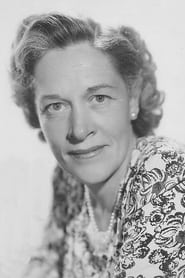
Professor Fred Lieberman
Sam Jaffe
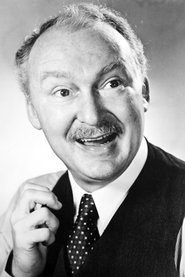
Lou Jordan
Harold Vermilyea
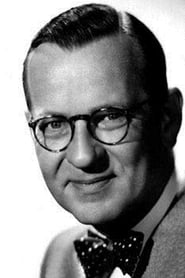
Bill Payson
Ransom M. Sherman
Third Woman (uncredited)
Virginia Gregg
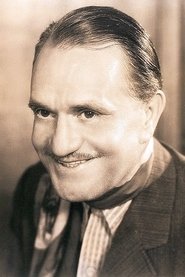
Mr. Calkins (uncredited)
Roy Roberts
Party Guest
Franklyn Farnum
Art Direction
Lyle R. Wheeler
Producer
Darryl F. Zanuck
Original Music Composer
Alfred Newman
Art Direction
Mark-Lee Kirk
Set Decoration
Thomas Little
Director of Photography
Arthur C. Miller
Set Decoration
Paul S. Fox
Costume Design
Kay Nelson
talisencrw
Just two years after Kazan's feature-film debut (and the end of WWII) came this firecracker which became up to that point his most successful film (although A Tree Grows In Brooklyn and Boomerang would also garner Oscar nominations), and it's ironic that so shortly after a great war was won, mainly against racism and the killing of Jews overseas, Gregory Peck's Schuyler Green, in undercover work for an expose to satiate his new, New York City boss, discovers rampant anti-Semitism uncomfortably much closer to home. I love John Garfield's work, rather late in his short career, in the supporting role of Dave Goldman (he should have received an Oscar nomination as well). The film was very successful, taking in three trophies for eight tries altogether (for Best Director, Picture and Supporting Actress--Celeste Holm), and its ending--stressing that forgiveness and tolerance are possible (when Green returns home and forgives his wife)--is very important, though he chose the wrong woman...

25th Hour
Stemmer 1592 (7,4/10)
Udgivelsesdato 16-12-2002
Detaljer »

The NeverEnding Story
Stemmer 2722 (7,2/10)
Udgivelsesdato 05-04-1984
Detaljer »

The Man Who Invented Christmas
Stemmer 519 (6,7/10)
Udgivelsesdato 12-10-2017
Detaljer »

Little Women
Stemmer 3203 (8/10)
Udgivelsesdato 25-12-2019
Detaljer »

Manhattan
Stemmer 1624 (7,9/10)
Udgivelsesdato 25-04-1979
Detaljer »

The Chronicles of Narnia: The Voyage of the Dawn Treader
Stemmer 4147 (6,4/10)
Udgivelsesdato 02-12-2010
Detaljer »

Nanny McPhee
Stemmer 2231 (6,6/10)
Udgivelsesdato 21-10-2005
Detaljer »

Hold the Dark
Stemmer 651 (5,3/10)
Udgivelsesdato 22-09-2018
Detaljer »

Now Is Good
Stemmer 900 (7,4/10)
Udgivelsesdato 25-05-2012
Detaljer »

The Kissing Booth
Stemmer 5651 (7,3/10)
Udgivelsesdato 11-05-2018
Detaljer »

A Walk Among the Tombstones
Stemmer 2074 (6,3/10)
Udgivelsesdato 18-09-2014
Detaljer »

The Nines
Stemmer 276 (6/10)
Udgivelsesdato 21-01-2007
Detaljer »

The Fault in Our Stars
Stemmer 9046 (7,6/10)
Udgivelsesdato 16-05-2014
Detaljer »

Sense and Sensibility
Stemmer 1085 (7,5/10)
Udgivelsesdato 13-12-1995
Detaljer »

The Sun Is Also a Star
Stemmer 417 (7/10)
Udgivelsesdato 16-05-2019
Detaljer »

To Kill a Mockingbird
Stemmer 1730 (8/10)
Udgivelsesdato 25-12-1962
Detaljer »

Sliver
Stemmer 404 (5,5/10)
Udgivelsesdato 21-05-1993
Detaljer »

In the Tall Grass
Stemmer 1338 (5,6/10)
Udgivelsesdato 20-09-2019
Detaljer »

Billy Lynn's Long Halftime Walk
Stemmer 389 (5,9/10)
Udgivelsesdato 10-11-2016
Detaljer »

Beastly
Stemmer 2251 (6,3/10)
Udgivelsesdato 21-01-2011
Detaljer »